

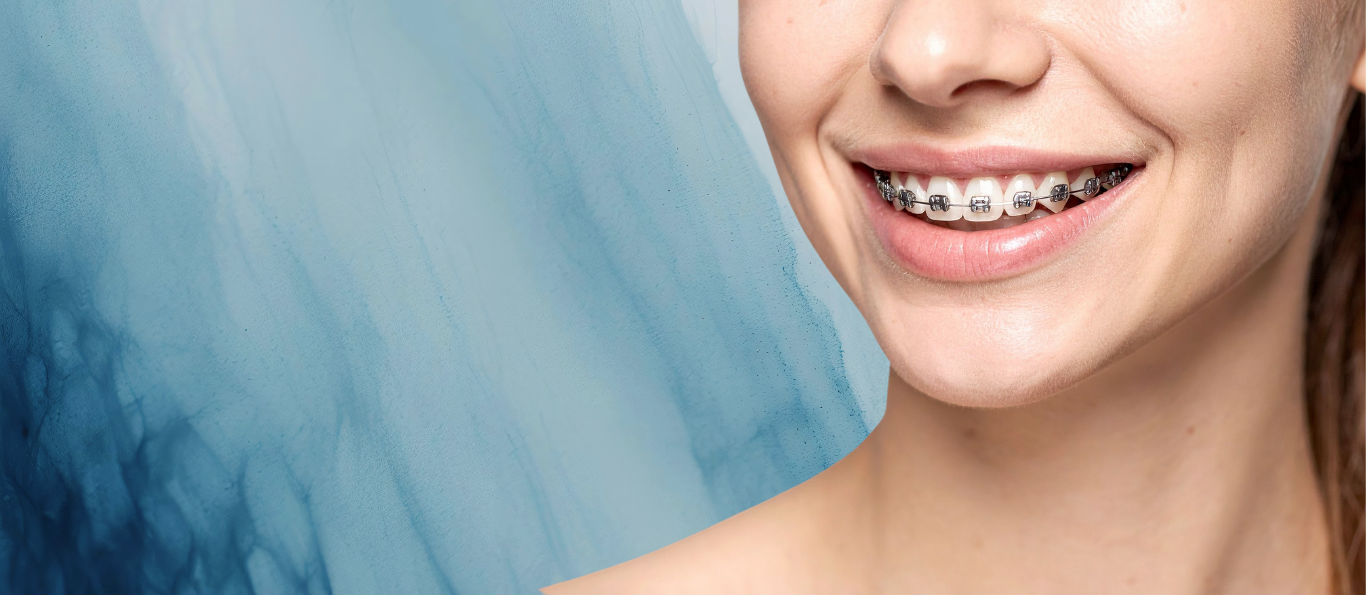
Braces F.A.Q.
Get clear, simple answers to common questions about braces, treatment, and what to expect every step of the way.

-
There is no single perfect age for braces. Many patients begin treatment in the preteen or teen years, when many permanent teeth are already in place, but braces can also be a great option for adults. The best time depends on the bite, tooth development, and the type of correction needed.
-
No. Orthodontic treatment can work well for adults of all ages, as long as the teeth and gums are healthy enough for treatment. It is never too late to improve the alignment of your teeth and bite.
-
Braces do not usually hurt during placement, but it is normal to feel some soreness or pressure for a few days after they are put on or adjusted. This usually improves quickly as your teeth begin to adjust to the gentle pressure of movement.
-
Not always. Tooth removal is only recommended in certain cases when it is necessary to create space or improve the overall bite and alignment. If extractions are being considered, we will explain why and review all appropriate options with you.
-
It depends on your bite goals, how complex your case is, and your lifestyle. Braces can be more effective for certain tooth movements and more complex bite issues. Aligners are more discreet and removable, but they require consistent wear each day. We will recommend what will work best for your specific case.
-
Treatment time depends on the complexity of the case and the goals of care. Many patients are in braces for about 12 to 24 months, although some cases may be shorter and others may take longer.
-
Most orthodontic visits are scheduled about every 4 to 8 weeks. The exact timing depends on the type of braces, the stage of treatment, and how your teeth are moving.
-
In some cases, yes. Clear aligners may be an option for comprehensive treatment depending on the complexity of your case, your bite goals, and how much tooth movement is needed. Some patients are better candidates for braces, while others may do well with aligners.
-
It is best to avoid very hard, sticky, or chewy foods that can break brackets or bend wires. Foods like popcorn, hard candy, gum, ice, and very crunchy snacks are common ones to avoid during treatment.
-
Brush carefully around the brackets and along the gumline after meals, and floss daily using floss threaders, orthodontic floss picks, or other tools recommended by your dental team. Keeping braces clean is important to help prevent plaque buildup, staining, and cavities during treatment.
-
Yes, braces can do more than straighten teeth. They can also help correct many bite issues, such as overbite, underbite, crossbite, open bite, and crowding, depending on the needs of the case.
-
Call our office so we can let you know the next best step. In the meantime, orthodontic wax can help cover an area that is irritating your cheek, and it is important not to pull or cut the wire yourself unless you have been instructed to do so.
-
Yes. Retainers are an important part of keeping your teeth in their new positions after braces come off. Without a retainer, teeth can gradually shift over time, so wearing it as instructed helps protect your results.
-
In many cases, yes. Coverage depends on your specific insurance plan and eligibility. We accept most insurance plans, and our team can help review your benefits and explain available payment options, including Cherry and Sunbit financing.

Have more questions? Call us at (262) 223 0280
Our team is here to help. Reach out anytime and we’ll guide you every step of the way.