


Early Orthodontic Treatment (Phase 1)
With a simple evaluation, we can determine whether your child needs treatment now or just careful monitoring as they grow.

What is Phase 1?
Phase 1 orthodontics, also called early interceptive treatment, is orthodontic care started while your child is still growing to help guide jaw development and address bite problems early. It is most often recommended for children who have a mix of baby and adult teeth, when growth can be used to correct certain issues more efficiently.
At iDental, your child’s care is supported by a board-certified pediatric dentist with hospital privileges, ensuring safe, specialized treatment for a wide range of needs, including more complex or medically necessary cases.
The goal of Phase 1 is to create a healthier foundation for the permanent teeth and jaws, such as making room for incoming adult teeth, improving how the bite fits together, or reducing habits and patterns that can worsen over time. It is not focused on perfecting every tooth position yet. Instead, Phase 1 aims to lower the risk of more complex problems later and set your child up for smoother development and, if needed, a simpler Phase 2 treatment in the future.
What Age Should My Child Be Checked for Orthodontics?
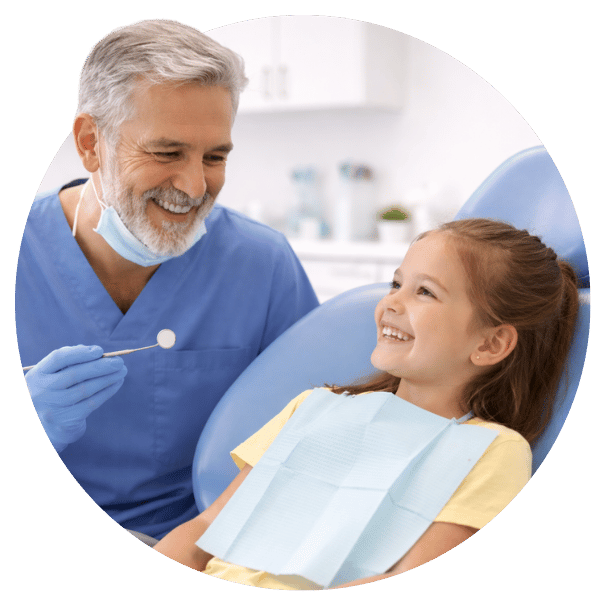
Most children should have their first orthodontic check around age 7. At this age, the jaws are still growing and a few permanent teeth have usually come in, which gives us early clues about crowding, bite alignment, and how the smile is developing.
Not every child will need treatment right away, but an early exam is still valuable. It helps us decide whether Phase 1 treatment could prevent bigger issues later, or if your child is best served by simply monitoring growth and tooth development over time.

Benefits of Early Treatment
-
Early treatment can help guide how the jaws grow and how the upper and lower teeth fit together, which can make the bite more stable as your child develops.
-
By widening or guiding the dental arches when needed, Phase 1 can help make room for permanent teeth to come in more naturally and reduce crowding.
-
If front teeth stick out, they are easier to chip or break during falls and sports. Early correction can help bring them into a safer position.
-
Addressing bite and alignment issues early can improve how your child chews and speaks, and may also reduce strain on the jaw as they grow.
-
Phase 1 does not always eliminate the need for braces later, but it can simplify Phase 2 treatment and, in some cases, shorten the time needed for full orthodontics.
What Happens at the First Visit
We start with a gentle orthodontic exam to check tooth alignment, bite, jaw growth, and any habits that may be affecting development.
Exam and bite assessment
We take a few photos and capture a 3D digital scan (or impressions if needed) to create an accurate model of your child’s teeth and bite.
Photos and digital scans or impressions
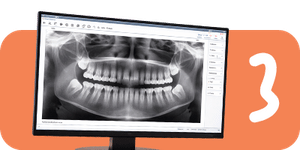
X-rays as needed for growth and eruption planning
If appropriate, we may take X-rays to see how the jaws are developing and how the adult teeth are forming and coming in.

Personalized recommendations: monitor vs Phase 1 now

After reviewing everything, we’ll explain what we’re seeing and recommend either monitoring with periodic check-ins or starting Phase 1 treatment.
If needed: appliance options, timeline, cost estimate
If appropriate, we may take X-rays to see how the jaws are developing and how the adult teeth are forming and coming in.


Phase 1 vs Phase 2
Phase 1 starts while your child still has a mix of baby and adult teeth, which is most common around ages 7–10. The focus is on guiding jaw growth, improving how the bite is developing, creating space for incoming permanent teeth, and correcting certain problems early, such as crossbites or severe crowding. The goal is to build a healthier foundation for the adult teeth, not to perfect every tooth position yet.
After Phase 1, many children enter a “resting” phase while more adult teeth come in, often around ages 9–12. During this time, we monitor growth and eruption with periodic check-ins to make sure development stays on track and to identify the best timing for the next stage, if needed.

Phase 2 usually begins once most or all permanent teeth are in, which is typically around ages 11–15. This stage focuses on full alignment and finishing the bite, usually with braces or clear aligners. If Phase 2 is recommended, Phase 1 can often make it more straightforward by addressing major growth and spacing concerns early.
Cost & Insurance
Phase 1 orthodontic cost varies based on the complexity of your child’s case and the type of appliance needed. For many children, our transitional dentition (Phase 1) treatment starts at $2,500, and we’ll review what is included during your consultation.
Before any treatment begins, we provide a clear, written estimate and walk you through your options so you can make an informed decision. Our team can help check your insurance benefits, explain what may be covered, and review payment options, including Cherry and Sunbit financing. If you have Medicaid, we also accept it and can help you understand eligibility and next steps.
Why Families Choose iDental for Phase 1?
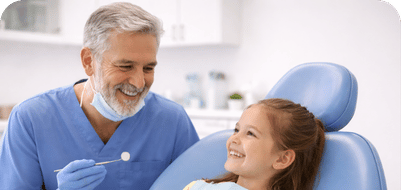
In-house orthodontic care for kids, teens, adults
With iDental, your child can receive Phase 1 orthodontic care in the same office where your family already comes for dental visits. That means fewer outside referrals, better continuity, and a team that can coordinate care across general dentistry and orthodontics when needed. Our dentist also has hospital privileges, which adds an extra layer of reassurance for families whose child may have more complex needs or require additional clinical support.

Family-friendly team, gentle approach
Early orthodontics works best when kids feel comfortable and confident. Our team is known for being patient, encouraging, and great with children. We take time to explain what we’re doing in simple language, answer questions without rushing, and help your child feel in control during visits. Parents also get clear guidance on what to expect, how to support good habits at home, and how to keep treatment on track.
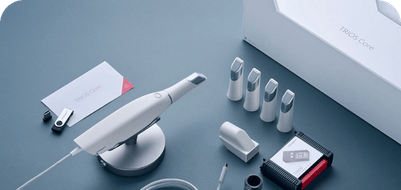
State-of-the-Art Imaging
Phase 1 decisions depend on timing and growth, which is why we prioritize precise evaluation from the very beginning. Using state-of-the-art imaging, we assess jaw development, tooth eruption, spacing, and bite alignment with a high level of accuracy. This allows us to recommend the most conservative approach that still achieves the best outcome, whether that means starting early treatment or simply monitoring until the timing is right.

Flexible financing options
We believe orthodontic care should be accessible, not stressful. Our team will walk you through your options and provide a clear estimate before treatment begins. We offer flexible financing through Cherry and Sunbit to help make monthly payments more manageable.

Convenient scheduling
Families are busy, and orthodontic visits should not disrupt school and work any more than necessary. We offer convenient appointment times and are open on Saturdays, making it easier to start treatment, keep up with follow-ups, and stay consistent without rearranging your whole week.

Insurance Guidance
We accept Medicaid for Phase 1 orthodontic treatment for eligible children. Our team will guide you through the approval process and help determine if early treatment is covered, so your child can get the care they need at the right time.