


Malocclusion
At iDental, we evaluate bite and alignment issues with a personalized approach, helping patients across Wisconsin achieve healthier, more comfortable smiles.

What Is Malocclusion
Malocclusion is the dental term for teeth or jaws that do not fit together the way they should. It affects how your teeth meet when you bite, how comfortably you chew and speak, and how easily you can keep your smile clean. Some cases are subtle and mostly cosmetic, while others can interfere with oral health, jaw comfort, and long term function.
Malocclusion can develop from a number of factors, including genetics, jaw growth patterns, childhood habits like thumb sucking or prolonged pacifier use, mouth breathing, early loss of baby teeth, and the natural shifting of teeth that happens with age. Orthodontic treatment focuses on improving both appearance and function by guiding teeth and jaws into a healthier, more balanced position. With today's options, including traditional braces, 3M Clarity Aligners, and specialized appliances, effective treatment is available for patients at nearly every stage of life.
Common Types of Malocclusion
Crowded or Overlapping Teeth
Crowded or overlapping teeth occur when there isn't enough room in the jaw for every tooth to sit comfortably side by side. Instead of forming a smooth, even arch, teeth may twist, lean inward or outward, or stack on top of one another. Crowding is often inherited, but it can also result from early loss of baby teeth, prolonged thumb sucking, or the natural drift of teeth over time.
Tight, overlapping surfaces are difficult to clean thoroughly, allowing plaque and food particles to build up in places a toothbrush and floss can't easily reach. Over time, this raises the risk of cavities, gum inflammation, bad breath, and uneven enamel wear. Orthodontic treatment, whether traditional braces, 3M Clarity Aligners, or in some cases a palatal expander, can create the space needed and guide teeth into a healthier, easier to clean alignment.
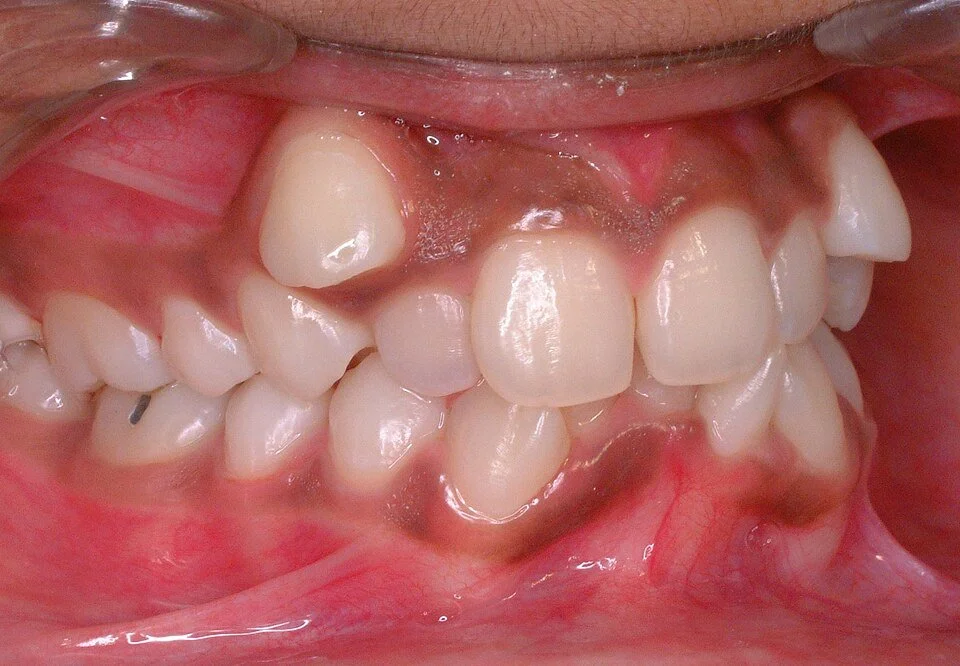
Class I type 2, by Kaidor, via Wikimedia Commons, licensed under Creative Commons Attribution-ShareAlike 3.0 Unported (CC BY-SA 3.0)
Gaps
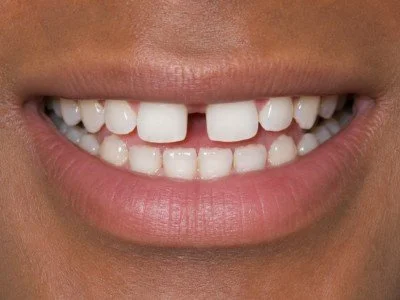
Gaps, also called spacing, are visible spaces between teeth. They can develop when teeth are smaller than the jaw, when a tooth is missing or undersized, when habits like tongue thrusting push teeth apart, or when teeth shift over the years. The most familiar example is a diastema, the gap that often appears between the two upper front teeth.
While some spacing is purely cosmetic, larger gaps can change how your bite fits together and let food pack between teeth, which may irritate the gums and contribute to decay. Orthodontic treatment can close or reduce spacing and bring the teeth into a more even, balanced alignment that looks better and functions more comfortably.
Overbite, Underbite, Crossbite
These three conditions describe how the upper and lower teeth meet when you bite down, and each one places different stresses on the smile.
An overbite is when the upper front teeth cover too much of the lower front teeth. A mild overbite is normal, but a deeper one can cause uneven wear on the front teeth, gum irritation behind the upper teeth, and sometimes jaw discomfort.
An underbite is the opposite, where the lower front teeth sit in front of the upper front teeth when you close your mouth. This can make biting and chewing more difficult, contribute to speech changes, and place extra strain on the jaw joints.
A crossbite happens when some upper teeth bite inside the lower teeth instead of outside. It can affect the front or back teeth, and over time it often leads to uneven wear, localized gum recession, and a bite that shifts noticeably to one side. All three conditions respond well to orthodontic treatment, which can guide the teeth and jaws into a more stable, balanced relationship.
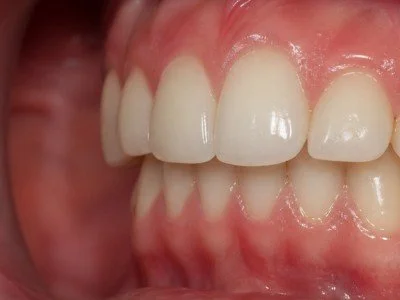
Overbite
Open Bite
An open bite is when the upper and lower teeth do not touch when you close your mouth, leaving a visible gap either in the front or along the back teeth. It is often linked to habits such as long term thumb sucking, pacifier use, or tongue thrusting, and in some cases it reflects how the jaws have grown.
An open bite can make it harder to bite into foods like sandwiches and pizza, affect certain speech sounds, and place extra force on the teeth that do make contact, which speeds up wear and chipping. Orthodontic treatment, sometimes combined with habit appliances or myofunctional therapy, can bring the teeth into a healthier position so the bite closes evenly and functions normally.
Deep Bite
A deep bite is a more severe form of overbite where the upper front teeth excessively cover the lower front teeth, sometimes far enough that the lower teeth contact the roof of the mouth behind the upper teeth. It often develops when the back teeth are too short, the front teeth have over erupted, or the lower jaw is smaller than the upper jaw.
Left untreated, a deep bite can cause noticeable wear on the front teeth, painful gum irritation behind the upper incisors, and added strain on the jaw muscles and joints. Orthodontic treatment focuses on opening the bite, leveling the teeth, and balancing how the upper and lower teeth come together for a more comfortable, longer lasting result.
Edge to Edge Bite
An edge to edge bite occurs when the upper and lower front teeth meet directly on their edges rather than the upper teeth slightly overlapping the lower ones. Without that small overlap, the front teeth lose their natural cushioning and absorb the full force of biting and chewing.
Over time, this can lead to flattened, chipped, or fractured edges, accelerated enamel wear, and added stress on the jaw joints. Orthodontic treatment can reposition the teeth into a more protective relationship, reducing wear and helping preserve your natural tooth structure for the long term.
Off Center Bite (Midline Shift)
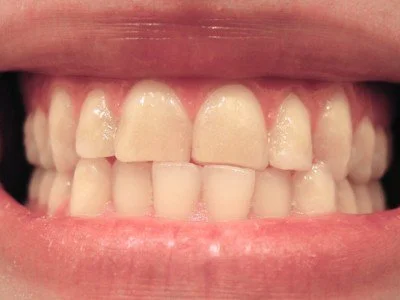
An off center bite, also called a midline shift, means the center of your upper teeth does not line up with the center of your lower teeth. You might notice your smile looks slightly shifted to one side or your bite feels uneven when you close your mouth. This can happen from crowding, missing teeth, early tooth loss, or the jaw drifting to avoid an uncomfortable contact point.
Beyond appearance, a midline shift can throw off how chewing forces are distributed and contribute to muscle tension or jaw discomfort. Orthodontic treatment can guide the teeth and bite back into a more balanced, centered position so your smile looks symmetrical and functions evenly on both sides.
Jaw Shifting or Clicking
Jaw shifting or clicking can happen when the jaw joint, known as the temporomandibular joint or TMJ, and the way your teeth fit together are not working smoothly. You might notice a pop or click when opening or closing your mouth, your jaw drifting to one side as it opens, or tightness and fatigue when chewing.
While occasional clicking is not always serious, persistent symptoms can signal that your bite or jaw mechanics need a closer look. Bite imbalances, missing teeth, and severe malocclusion can all play a role. Orthodontic treatment may be one part of a broader plan to relieve symptoms, alongside options like a custom night guard, physical therapy, or restorative dental work.
Biting Cheeks or Frequent Chipping
Biting your cheeks often or experiencing repeated tooth chipping can be a sign that your teeth are not coming together in a balanced way. When certain teeth stick out, overlap, or make contact before the others, it is easier to catch the inside of your cheek while chewing or to concentrate too much force on specific teeth.
These small daily issues add up. Repeated cheek biting can leave sore spots and irritated tissue, while uneven bite forces can chip enamel, loosen old fillings, and wear teeth down prematurely. Orthodontic treatment can align the teeth and even out the bite so chewing feels more comfortable and your teeth are better protected from everyday stress.
Protruding Teeth
Protruding teeth, also called increased overjet, occur when the upper front teeth extend too far forward of the lower teeth. Unlike an overbite, which describes vertical overlap, overjet refers to the horizontal gap between the upper and lower front teeth. It often runs in families and can also result from habits like thumb sucking or tongue thrusting during childhood.
Beyond appearance, protruding front teeth are far more vulnerable to injury during sports or accidental falls, and they can make it harder to close the lips comfortably at rest. Orthodontic treatment can bring the upper teeth back into a safer, more natural position, improving both function and protection while creating a more harmonious smile.
Missing or Impacted Teeth
Sometimes teeth do not erupt the way they should. A tooth may be congenitally missing, lost to injury or decay, or stuck beneath the gums in a condition called impaction, which is most common with wisdom teeth and upper canines. Any of these situations can affect spacing, alignment, and how the bite fits together.
When a tooth is missing or stuck, neighboring teeth often drift or tilt into the open space, and opposing teeth may over erupt, throwing off the entire bite. Orthodontic treatment can create or preserve space, guide an impacted tooth into proper position, or coordinate with restorative options like dental implants or bridges to rebuild a complete, balanced smile.
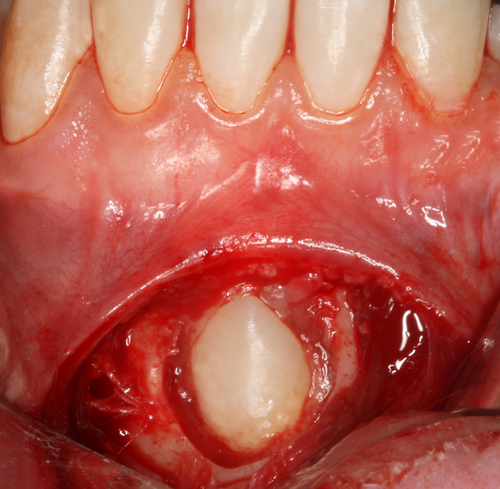
"Impacted 33 intraoperative photo" by Coronation Dental Specialty Group, via Wikimedia Commons, licensed under CC BY-SA 3.0.


When to See an Orthodontist
Many patients live with malocclusion for years without realizing how much it affects their daily comfort, oral health, and confidence. If you notice crowding, gaps, an uneven bite, jaw clicking, frequent cheek biting, or simply do not feel happy with how your smile looks, an orthodontic evaluation can help you understand your options.
At iDental, we take the time to listen to your concerns, examine your bite in detail, and walk you through a personalized treatment plan. Whether the right path is traditional braces, 3M Clarity Aligners(comng soon), or a combination of treatments, our goal is to guide your teeth and jaws into a healthier, more comfortable position that lasts a lifetime.
Have more questions? Call us at (262) 223 0280
Our team is here to help. Reach out anytime and we’ll guide you every step of the way.
Ready to get started? Visit our Braces page to learn more or schedule your consultation.