

Can a Tooth Abscess Go Away Without Treatment?
A tooth abscess is not something your body can safely “fix” on its own. While the pain may come and go, the infection behind it usually remains and can worsen over time. Understanding what a tooth abscess is, what causes it, and what to do next can help you protect both your oral health and your overall health.
What Is a Tooth Abscess?
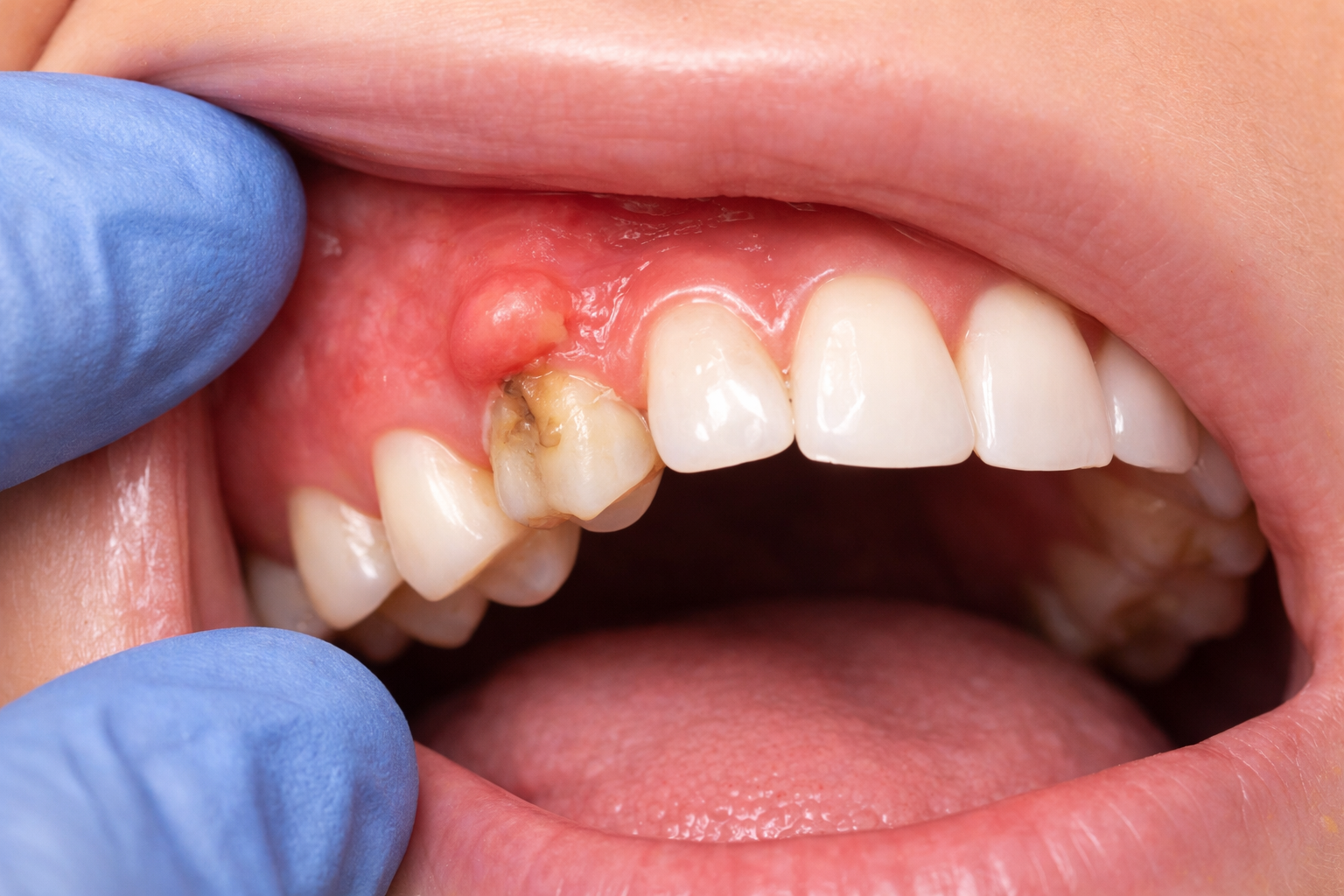
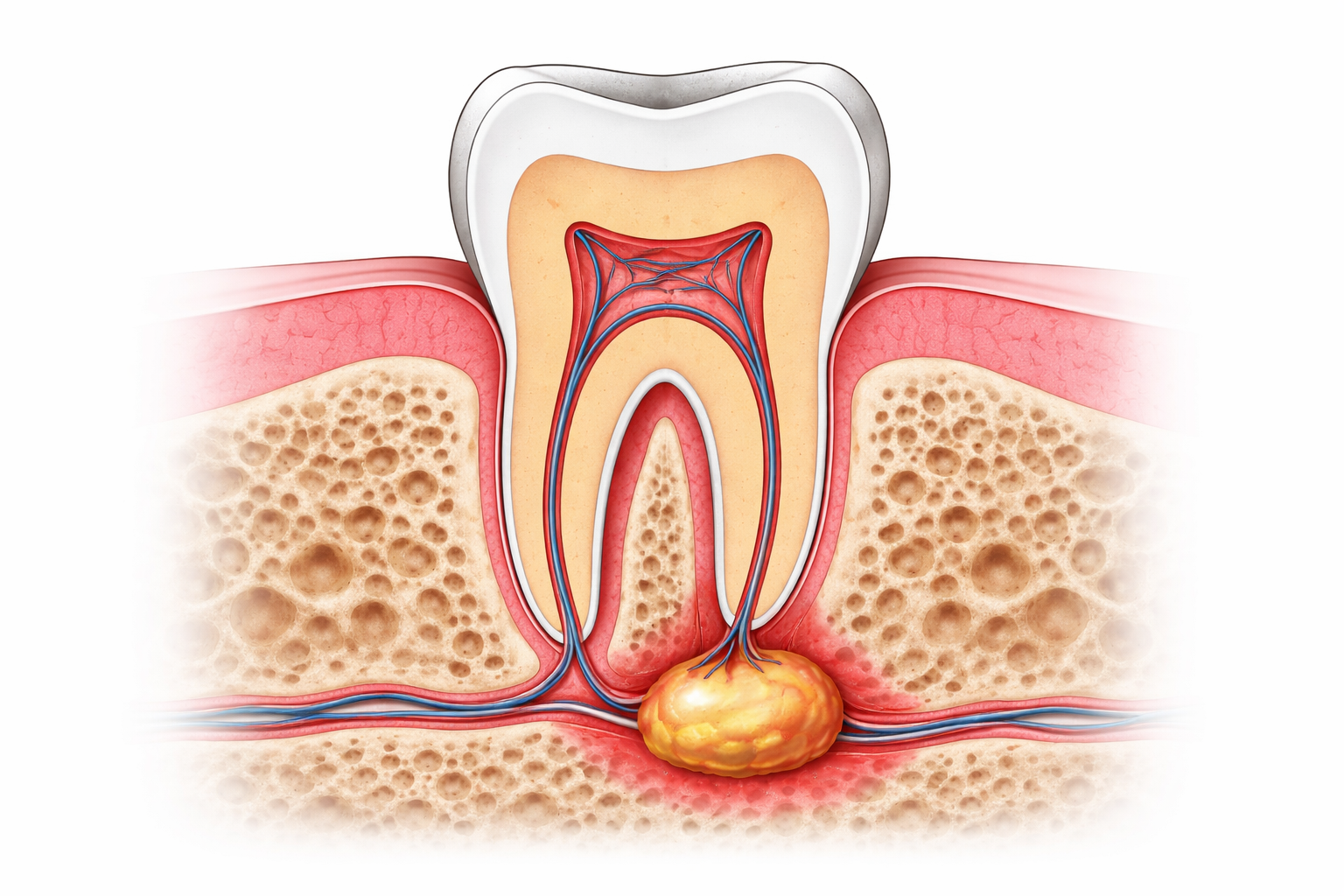
A tooth abscess is a pocket of pus caused by a bacterial infection. It can form at the tip of a tooth root (periapical abscess) or in the gums beside a tooth (periodontal abscess).
Common symptoms include:
Persistent, throbbing tooth pain
Sensitivity to hot or cold
Swelling in the gums or face
A bad taste or odor in the mouth
Fever in more severe cases
Sometimes, the abscess may drain on its own, which can temporarily relieve pain. However, this does not mean the infection is gone.
What Causes a Tooth Abscess?
A tooth abscess usually develops when bacteria enter areas they should not be, often due to:
Untreated cavities that allow bacteria to reach the inner tooth
Cracked or chipped teeth that expose deeper layers
Gum disease creating pockets where bacteria can grow
Poor oral hygiene over time
Previous dental work that may have weakened the tooth
Once bacteria reach the pulp (the inner part of the tooth), infection can spread and form an abscess.
Can It Heal on Its Own?
The short answer is no. A tooth abscess will not truly heal without professional treatment. Even if the pain goes away, the swelling decreases, or the abscess drains, the infection is still present.
Left untreated, the infection can spread to nearby tissues, the jawbone, or even other parts of the body. In rare cases, this can develop into a more serious medical condition.
What Should You Do?
If you suspect a tooth abscess, the best step is to see a dentist as soon as possible. Treatment depends on the severity of the infection and may include draining the abscess to remove the infection, performing a root canal to save the tooth, or extracting the tooth if it cannot be restored. Antibiotics may also be prescribed if the infection has spread beyond the tooth.
At home, you can manage discomfort temporarily by rinsing with warm salt water, taking over-the-counter pain relievers, and avoiding very hot, cold, or sugary foods. These steps can help ease symptoms, but they are only short-term measures and do not replace professional treatment.
Final Takeaway
A tooth abscess is your body’s way of signaling a serious infection. Even if symptoms improve, the underlying issue does not go away on its own. Getting timely dental care is the safest and most effective way to relieve pain, stop the infection, and protect your smile.
If you notice symptoms, don’t wait. Early treatment can make all the difference.