

Can We Regrow an Entire Missing Tooth?
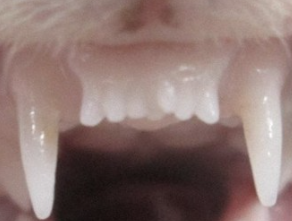
This image from Kitano Hospital shows a ferret’s front teeth after receiving the medication. The ferret initially had six teeth, and a seventh tooth later grew in, visible in the center of the photo.
Last November, we wrote a blog about how scientists may have found a way to help regrow tooth enamel. Now the next question is even bigger: how about growing an entire tooth?
Surprisingly, that idea is no longer purely theoretical. Researchers in Japan are studying an experimental therapy designed to trigger the body’s ability to form a new tooth, potentially offering a future alternative to today’s replacements like implants, bridges, and dentures.
Why a whole new tooth is so hard to “bring back”
Teeth are not like bone. Once a tooth is missing, the body does not naturally rebuild the entire structure, including roots, supporting tissues, and the precise shape needed for a healthy bite. That is why modern dentistry focuses on predictable replacements such as implants, fixed bridges, and dentures.
Tooth regrowth research aims to change that by activating biological pathways involved in tooth development.
The research approach: removing the “brake” on tooth development
The reports you shared focus on a treatment that targets a protein called USAG-1, which is associated with inhibiting tooth growth. The concept is straightforward in principle: if scientists can safely suppress USAG-1 activity, they may be able to allow tooth growth signals to proceed.
According to the ADA summary, researchers have already demonstrated tooth regrowth in animal models such as mice and ferrets, which helped support moving toward human testing.
Where things stand today: early human testing, not a finished treatment
This is the key point: what is happening now is still research, and the human work is focused on safety and feasibility.
The ADA’s overview reports that researchers planned an intravenous drug trial running September 2024 through August 2025 involving 30 men ages 30 to 64, followed by possible testing in children ages 2 to 7 if no concerning side effects are seen, and later evaluation in people with partial edentulism.
Popular Mechanics and Mainichi coverage similarly describe the Japan-based effort as a first-in-human step toward a “tooth regrowth medicine,” emphasizing that this is early-stage clinical development.
What remains unknown includes how reliably a tooth could regrow in different patients, how long it might take, how well it would integrate into the bite, and what long-term outcomes would look like. Those are precisely the questions clinical trials are designed to answer.
What this means for patients right now
Even if tooth regrowth becomes viable in the future, people still need effective solutions today, especially because missing teeth can affect chewing, speech, bite alignment, and confidence.
At iDental Family Dentistry & Orthodontics, we focus on proven options that restore function and aesthetics while keeping care comfortable, practical, and affordable. If you are missing a tooth or have been told one cannot be saved, we can walk you through choices like implants, bridges, and dentures, and help you select the approach that fits your timeline, health needs, and budget.
Ready to discuss your options?
If you are dealing with tooth loss, do not wait for future breakthroughs to get relief and restore your smile. We are here to help with a clear plan and supportive care.
iDental Family Dentistry & Orthodontics
1320 S Green Bay Rd, Racine, WI
Call: 262-223-0280
Visit: identalwi.com