

Overbite vs. Underbite: What They Mean and Why It Matters
If you have ever wondered whether your bite is “normal,” you are not alone. Many people focus on how straight their teeth look, but your bite is about how your upper and lower teeth fit together when you close your mouth. A healthy bite can help you chew comfortably, speak clearly, and protect your teeth from uneven wear.
Two of the most common bite issues are overbite and underbite. Here is what they mean, why they matter, and when to consider an orthodontic evaluation.
What is an overbite?
An overbite happens when the upper front teeth overlap the lower front teeth. A small amount of overlap is normal. It becomes a concern when the overlap is excessive, especially if it causes functional problems or tooth wear.
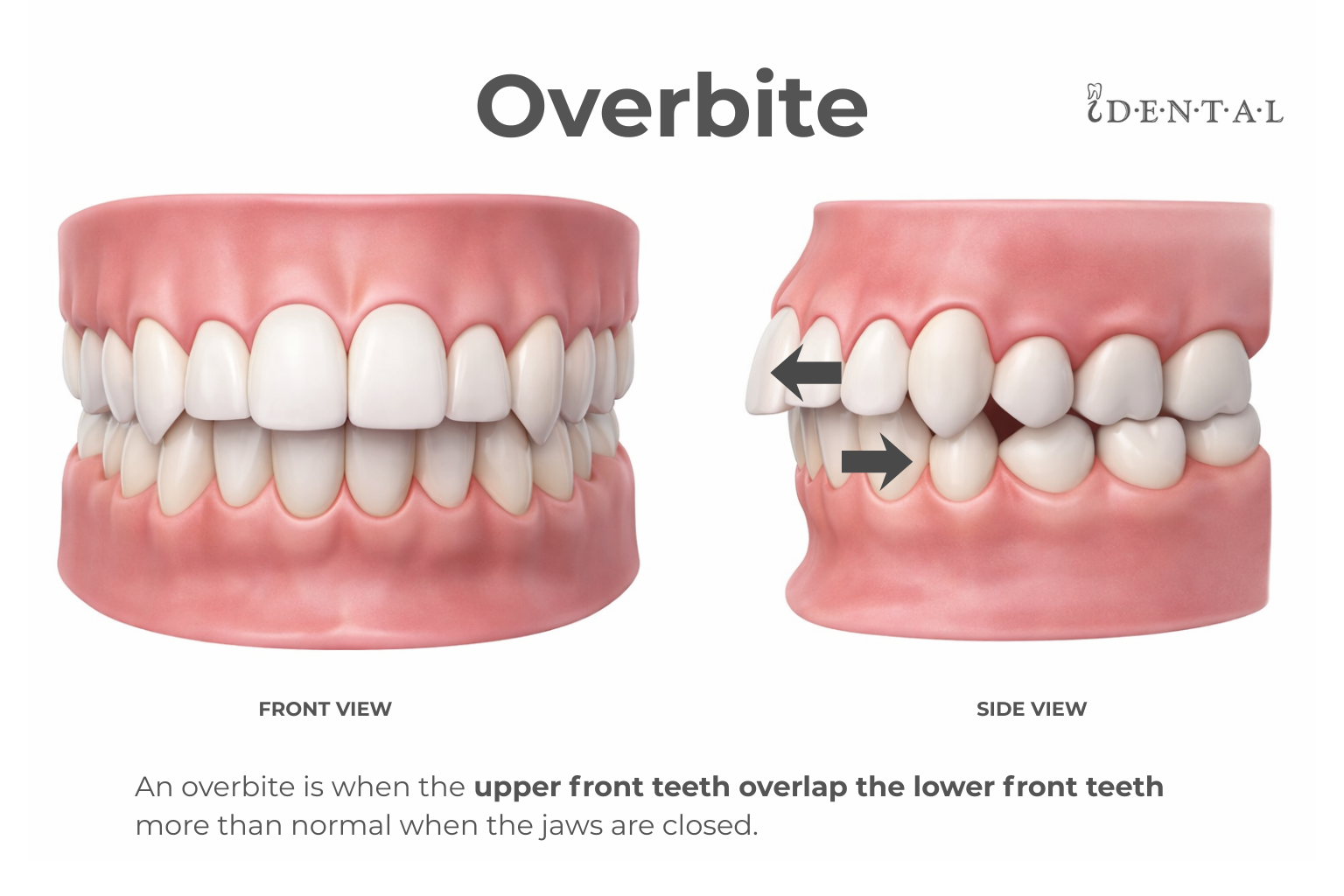
Why an overbite matters
A significant overbite can:
Increase wear on lower front teeth due to extra contact
Make teeth more prone to chipping (especially if you grind your teeth)
Contribute to gum irritation or recession in certain areas
In some cases, affect jaw comfort or cause fatigue when chewing
Common signs of a problematic overbite
Lower front teeth look “hidden” when you smile
You bite your palate or gums
You have frequent chipping on front teeth
You feel your bite is “deep” or tight when you close
What is an underbite?
An underbite happens when the lower front teeth sit in front of the upper front teeth when you bite down. Underbites can be mild or more pronounced and may be linked to jaw growth patterns.
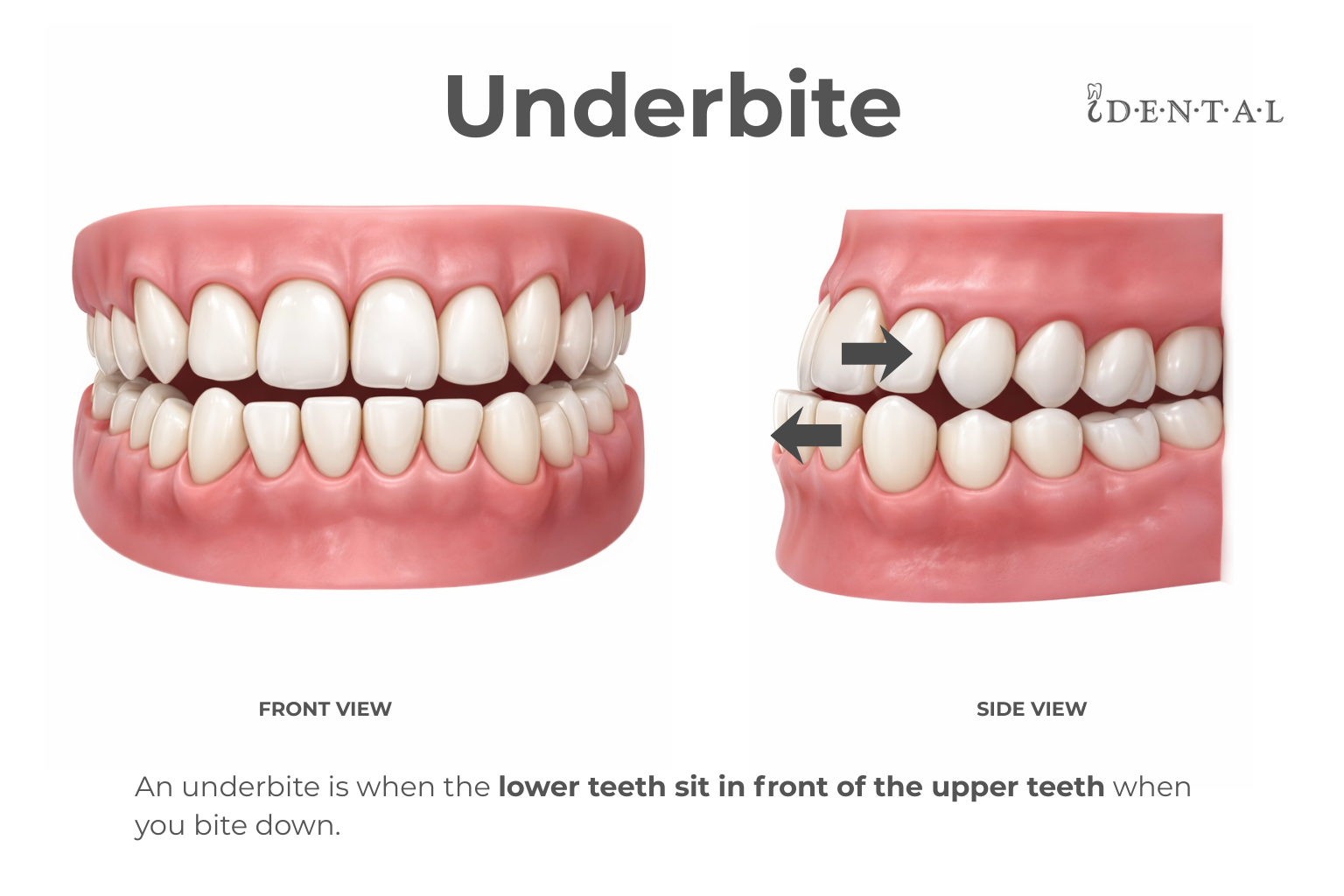
Why an underbite matters
An underbite can:
Lead to uneven tooth wear and increased risk of fractures
Make chewing less efficient and strain the jaw over time
Contribute to speech issues for some people
Cause the front teeth to hit edge-to-edge or in a way that damages enamel
Common signs of an underbite
Lower teeth look more forward than upper teeth
Difficulty biting into foods with the front teeth
Jaw discomfort or fatigue during chewing
A bite that feels “reverse” in the front
How orthodontics can help
Orthodontic treatment can help by guiding your teeth and bite into a healthier, more balanced position. The goal is not just straighter teeth, but a bite that closes comfortably and distributes pressure more evenly, which can reduce uneven wear and lower the chance of chipping or sensitivity over time.
Depending on what your evaluation shows, treatment may include braces or clear aligners to move teeth into alignment, and elastics (rubber bands) to improve how the upper and lower teeth fit together. In some cases, especially for kids and teens who are still growing, an expander may be recommended to widen the upper jaw and create better spacing and bite alignment. After treatment, retainers are used to keep your results stable and prevent teeth from shifting back.
If you think you may have an overbite or underbite, we can evaluate your bite, explain what we see in plain language, and walk you through options that fit your goals and budget. Watch out next week, we will break down crossbites, what they look like, and why they matter.
Call: 262-223-0280