

Kids Dental Sealants: What They Are, When to Get Them, and How Long They Last
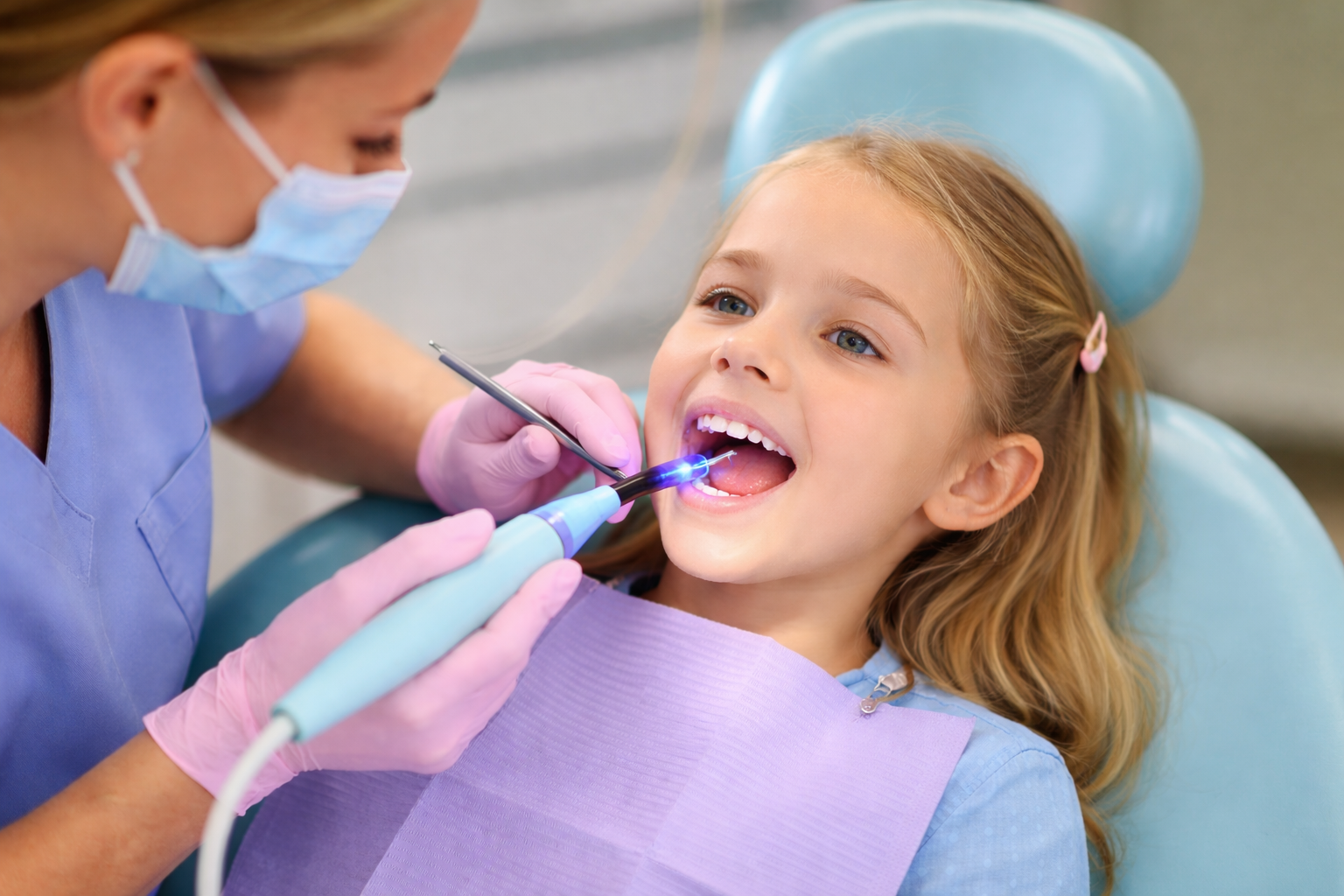
If your child is brushing and flossing but still getting cavities, you are not alone. The back teeth (molars) have deep grooves that are hard to clean, even with good habits. Dental sealants are a preventive treatment that helps protect those grooves before decay starts.
Sealants are fast, painless, and commonly recommended for kids because they target the teeth most likely to develop cavities.
What are dental sealants?
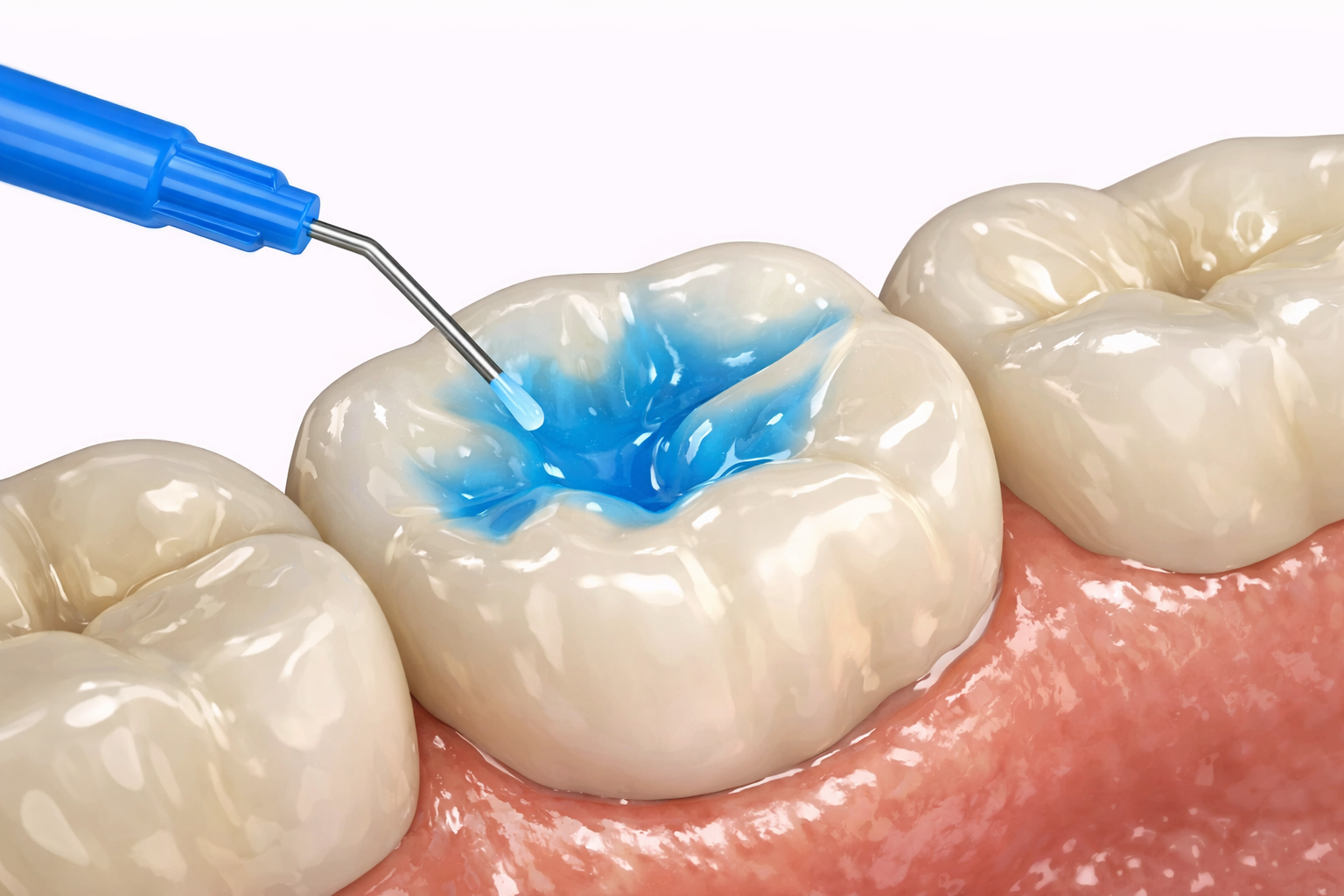
Sealants in action: a quick, painless coating that fills the grooves in back teeth to help block cavities before they start.
Dental sealants are a thin, protective coating placed on the chewing surfaces of back teeth, usually the molars and premolars. The material flows into the grooves and pits where food and bacteria tend to collect, then hardens to create a smooth, easier to clean surface.
Think of sealants as a protective shield for the parts of the tooth that toothbrush bristles often miss.
Why do kids need sealants?
Molars do most of the chewing, and their uneven surfaces are a common place for cavities to begin. Sealants help by:
Blocking bacteria and food from settling into deep grooves
Making the tooth surface easier to brush clean
Reducing the risk of cavities on chewing surfaces
Sealants are especially helpful for kids who:
Have a history of cavities
Snack frequently (even on “healthy” snacks that stick to teeth)
Struggle to brush thoroughly in the back of the mouth
Have deep grooves in their molars
When should kids get sealants?
Most children get dental sealants around the time their permanent molars come in, starting with the first permanent molars at about ages 6 to 7 (often called “6-year molars”), which erupt behind the baby molars and are permanent, making early protection especially important, followed by the second permanent molars at about ages 11 to 13 (the “12-year molars”), which are commonly sealed soon after they erupt; however, some children may benefit earlier or later depending on eruption timing and cavity risk, and a dental exam will confirm which teeth are good candidates and whether they are erupted enough for sealant placement.
What is the sealant procedure like?
Sealants are quick and do not require drilling or numbing in most cases. A typical visit looks like this:
Cleaning the tooth surface
The tooth is cleaned and dried.Preparing the surface
A gentle conditioning gel is applied briefly to help the sealant bond.Applying the sealant material
The sealant is painted into the grooves.Hardening the sealant
A special light may be used to cure the material in seconds.
Your child can eat and drink normally afterward.
How long do dental sealants last?
Sealants can last several years, and many last into the teen years. Over time, normal chewing can wear them down, or parts may chip.
The key point is that sealants are easy to monitor and maintain. At regular checkups, your dentist will:
Check that the sealant is intact
Repair or replace worn sections if needed
Even if a sealant partially wears away, it may still provide meaningful protection.
Frequently asked questions
Are sealants safe?
Yes. Sealants are widely used in pediatric dentistry and are considered a safe preventive option. They are placed on the surface of the tooth and are not an invasive treatment.
If you have questions about materials or your child’s specific needs, your dentist can walk you through the options.
Do sealants hurt?
No. The process is typically painless and fast, with no drilling.
Can sealants be placed on baby teeth?
Sometimes. If a child has deep grooves on baby molars and a higher cavity risk, sealants may be recommended. Your dentist will advise based on your child’s risk and tooth anatomy.
What if my child already has a small cavity?
Sealants are meant for teeth without decay. If there is early decay, your dentist may recommend a filling or another preventive approach depending on what is seen on the exam and x rays.
How do I know if the sealant is still there?
You usually cannot tell at home. That is why regular checkups matter. Your dentist will check sealants at each visit.
Ready to protect your child’s molars?
Sealants are one of the easiest ways to help prevent cavities in kids, especially as new permanent molars come in. If you are not sure whether your child is ready, a quick exam can confirm which teeth are good candidates.
iDental Family Dentistry & Orthodontics
1320 S Green Bay Rd, Racine, WI
Call: 262-223-0280
Website: identalwi.com