

Wisdom Teeth Trouble? 9 Signs You Might Need an Extraction (and When You Can Wait)
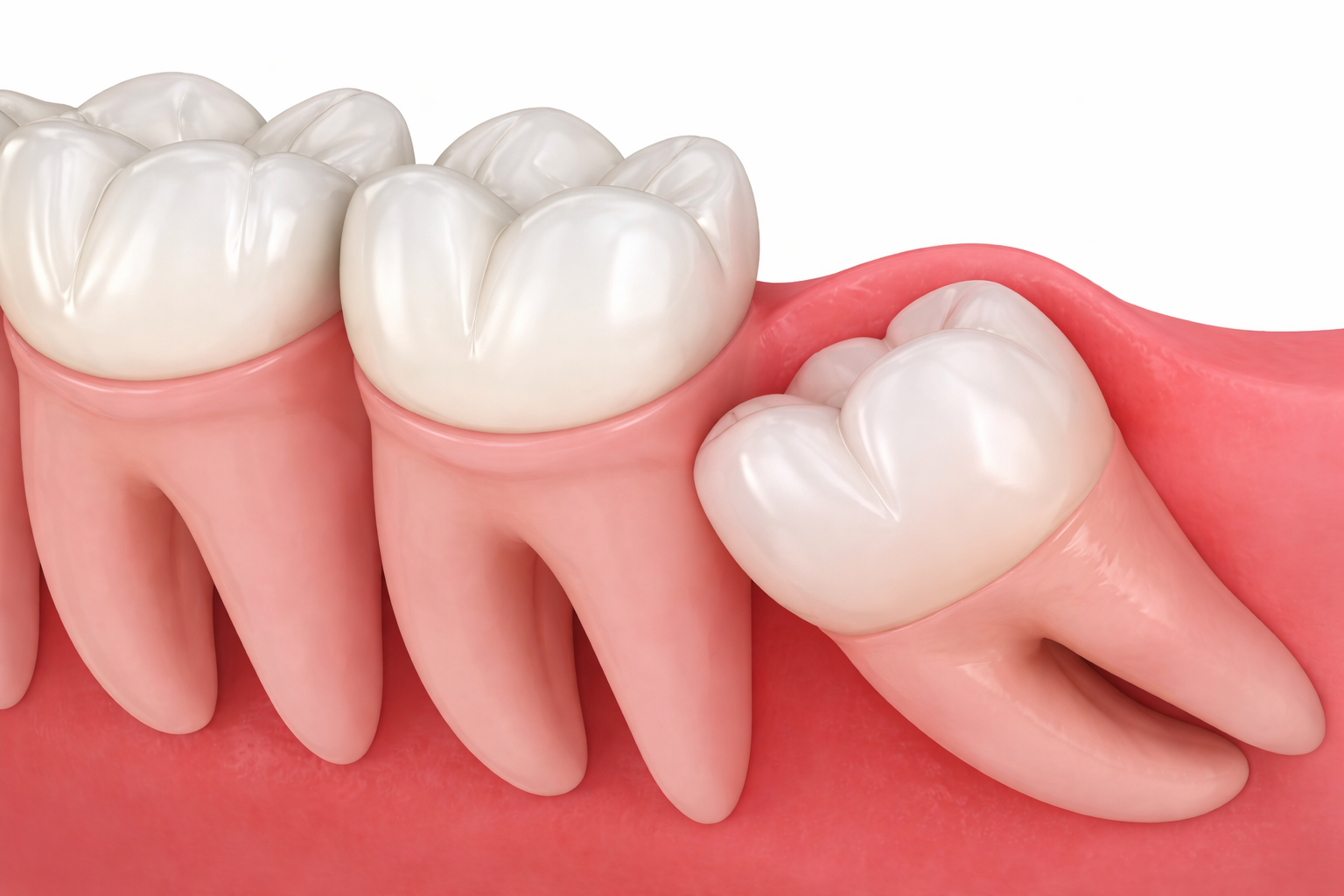
Wisdom teeth, also called third molars, usually come in during the late teens or early twenties, and while some people have no issues at all, others develop pain, swelling, infections, or damage to nearby teeth because these back molars are difficult to clean and often do not have enough room to erupt properly. The challenge is that problems can build slowly, sometimes before you feel anything, which is why it helps to know the most common warning signs and when an evaluation is recommended. In this article, we will cover the key reasons wisdom teeth are often removed, and when they can be safely monitored.
1. Pain in the back of the jaw that keeps coming back
Occasional discomfort can happen while a tooth is erupting, but recurring pain, pressure, or soreness can signal inflammation, decay, or improper eruption angle. If the pain returns repeatedly, it is worth evaluating before it turns into an infection.
2. Swollen gums or a gum flap over the tooth
Partially erupted wisdom teeth can leave a flap of gum tissue that traps food and bacteria. This can cause redness, swelling, tenderness, and a bad taste. This condition is commonly called pericoronitis, and if it becomes recurrent, extraction is often recommended.
3. Repeated infection, drainage, or a bad taste
If the gum around a wisdom tooth frequently gets infected, you may notice pus, an unpleasant taste, or persistent bad breath. Antibiotics can reduce an active infection, but they usually do not fix the underlying cause if the tooth remains hard to clean or is positioned poorly.
4. Tooth decay on the wisdom tooth or the tooth in front of it
Wisdom teeth are difficult to brush and floss effectively, especially if they are partially erupted or tilted. Cavities can develop on the wisdom tooth itself or on the second molar in front of it, which is a bigger problem because that tooth is important for long term chewing and bite stability.
5. Impacted wisdom teeth
An impacted wisdom tooth is trapped in the bone or under the gum and cannot fully erupt. Impacted teeth may:
Press against the tooth in front of them
Cause pain or jaw stiffness
Create gum pockets that trap bacteria
Increase risk of cyst formation around the tooth
Your dentist can see this clearly on imaging, even before symptoms become severe.
6. Crowding pressure or orthodontic concerns
Not everyone experiences crowding from wisdom teeth, but in certain cases, limited jaw space and eruptive pressure can complicate orthodontic stability or create inflammation and cleanliness issues. If you have braces, aligners, or a history of shifting, your dental team may recommend removal based on space, eruption pattern, and long term risk.
7. Cysts or damage seen on x rays
Sometimes a wisdom tooth causes problems without obvious symptoms. X rays can reveal:
A cyst developing around the tooth
Bone loss near the tooth
Damage to the neighboring molar
Abnormal eruption path
When these are present, extraction is typically recommended to prevent progression.
8. Gum disease or deep pockets around the wisdom tooth
Wisdom teeth often sit far back where hygiene is harder, and that area can develop gum inflammation or periodontal pockets. If pockets are deep or the area repeatedly bleeds, it can threaten the health of nearby teeth.
9. Food trapping and constant irritation
If you are always picking food out of the back area, dealing with a sore gum line, or getting frequent irritation when chewing, it is often a sign that the tooth is not positioned in a maintainable way. Chronic irritation is a valid reason to consider extraction, even if pain is mild.
When you might not need extraction
Not all wisdom teeth need to be removed. You may be able to monitor them if:
The tooth is fully erupted and aligned
You can brush and floss it effectively
There is no decay, gum disease, or recurring inflammation
Imaging shows no damage to nearby teeth or bone
In these cases, your dentist may recommend periodic x rays to monitor changes over time.
How urgent is wisdom tooth pain?
Seek prompt evaluation if you have:
Facial swelling
Fever
Difficulty swallowing
Pus or drainage
Severe pain that is not improving
Limited mouth opening or jaw stiffness that worsens
These can be signs of infection that may require urgent treatment.
Next steps
If you are experiencing back-of-mouth pain, swelling, or recurring infections, it is better to get evaluated sooner rather than waiting for a flare up. A quick exam and x ray can usually determine whether your wisdom teeth can stay or whether extraction is the safer long term option.